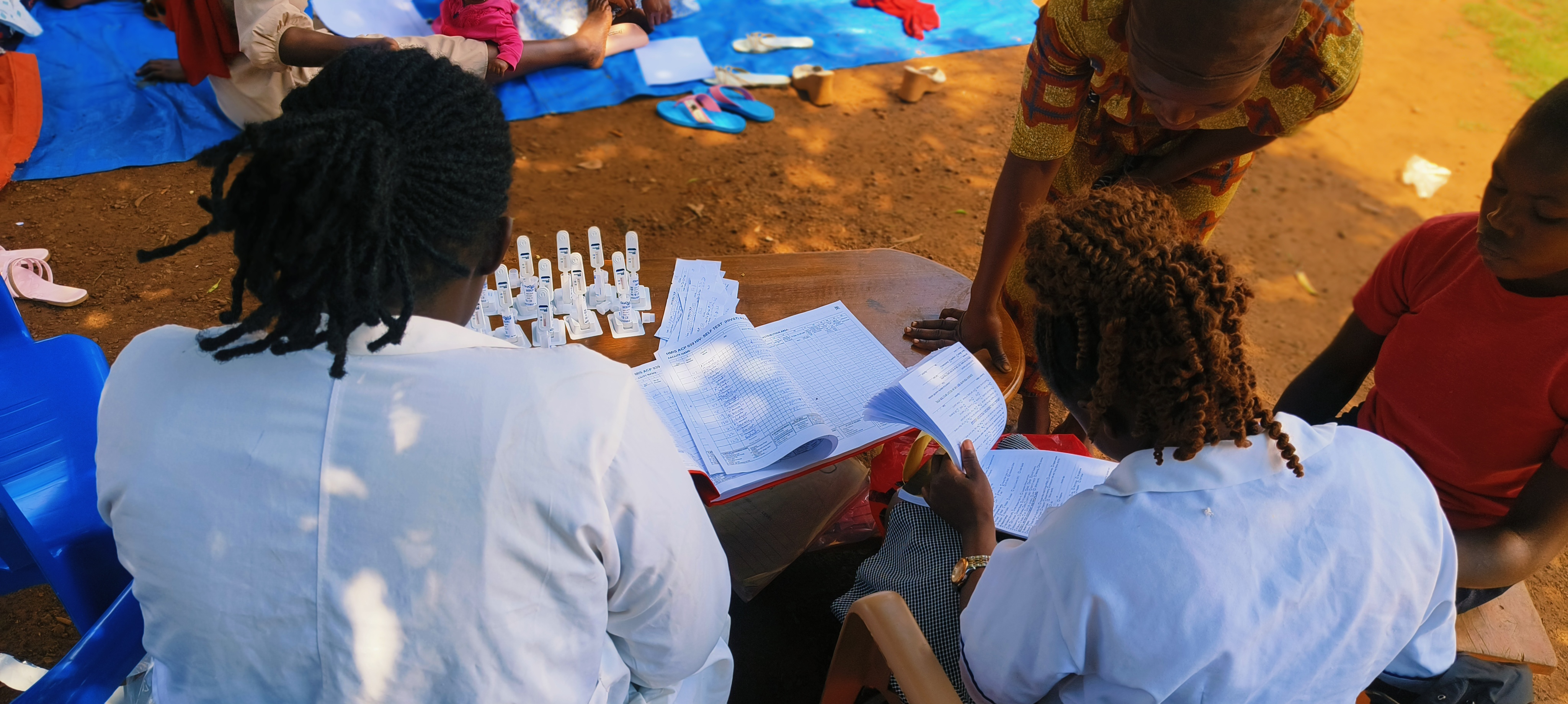
UDHA supports community-based HIV prevention and treatment services targeting key and vulnerable populations, particularly Adolescent Girls and Young Women (AGYW). Interventions include HIV testing services, referrals for treatment, adherence support, community viral load suppression initiatives, stigma reduction, and youth-friendly service delivery through safe spaces and community outreach.
Adolescent Girls and Young Women (AGYW) HIV testing and referral systems within Safe Spaces utilize community based, youth-friendly networks to link high-risk youth to essential care. These programs act as "one-stop shops" providing mentorship, education, and direct access to testing or HIV self-testing (HIVST), accompanied by immediate, confidential referrals for positive cases or PrEP.
Key System Components that this organisation has embarked on in these Community Outreach & Identification include:
Mobilisation using Trained peer-to-peer educators/ mentors to recruit AGYWs in high-incidence locations and invite them to the physical Safe Space.
Integrated Testing Options: Testing is delivered on-site by mobile health teams, through rapid diagnostic testing by counselors, or via guided HIV self-testing (HIVST).
Confidential Linkage & Navigation: Instead of traditional clinic referrals, Safe Spaces often utilize peer navigators. These navigators physically accompany or guide the AGYW to local health facilities, reducing stigma, fear, and transportation barriers.
Layered Support: Safe Space referrals do not stop at HIV treatment. AGYW are also connected to Sexual and Reproductive Health (SRH) services (family planning, STI screening), Pre-Exposure Prophylaxis (PrEP), and economic strengthening/vocational training.
Operational Evidence & Challenges Proven Effectiveness: Multi-component interventions inside Safe Spaces (widely adopted by initiatives like UDHA) have successfully improved health-seeking behaviors, increased HIV testing rates, and lowered high-risk sexual activity among AGYW.
Barriers to Success: Challenges include stock-outs of test kits at associated health facilities, provider-stigma, and limited reach for the most economically disadvantaged girls