Programme Head
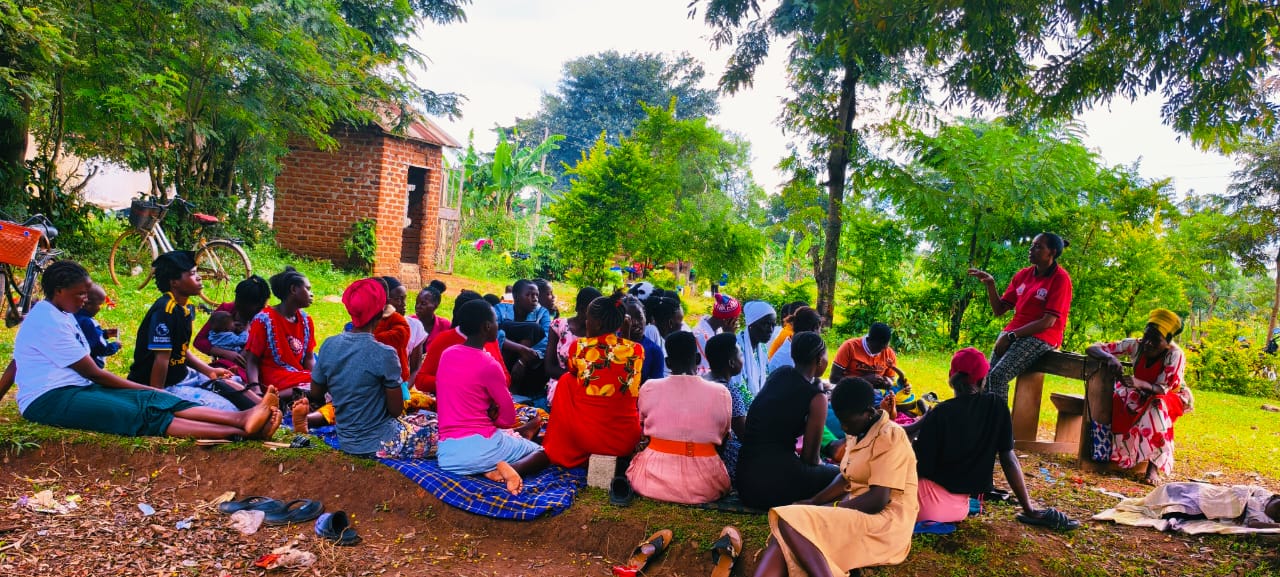
UDHA promotes access to youth-friendly SRHR services through community education, peer mentorship, referrals, and linkages to care. Programs support family planning services, STI management, GBV prevention, and comprehensive sexual health education for adolescents and young people. contextual factors such as conflict, displacement, or poverty. Recognizing when and where risks emerge, and how they evolve, is essential to delivering services at the right time, to the right individuals, in the right way.
Ending AIDS by 2030 and assuring sexual and reproductive health and rights (SRHR) for all requires reaching people with the highest risk and vulnerability with HIV prevention and sexual and reproductive health (SRH) services. The insights and recommendations presented in this brief draw on a regional Think Tank convened by UDHA/ TASO / GF which brought together over 50 experts, youth representatives, government actors and implementing partners to define practical, context appropriate approaches for reaching adolescent girls and young women (AGYW). Over the past decade, AGYW aged 15-24 living in Eastern Uganda have benefitted from an overall decline in new HIV infections, fewer unmet family planning needs, and greater access to adolescent-responsive HIV and SRH services.
Despite these gains, many AGYW in many vulnerable communities remain at substantial risk of poor HIV and SRH outcomes. AGYW continue to shoulder an unacceptably high burden of HIV infection compared to their male peers and the general population. In 2024, an estimated 140,000 AGYW acquired HIV, accounting for one quarter of all new infections in the eastern and central region. This rate is three times higher than that of their male peers. Of the 1000 new HIV infections among children (0-14 years) in 2024 in , nearly one-third were among mothers who acquired HIV during pregnancy or the breastfeeding period. The adolescent pregnancy rate in the region, 92 births per 1,000 girls, is twice the global average. Several countries report that an estimated 20% of girls experience pregnancy before 20 years of age.
These figures highlight the urgent need for services that are responsive to AGYW’s realities. The vulnerabilities AGYW face are complex and interconnected at the individual, interpersonal, community, and structural levels and include limited access to health services and education, poverty, gender inequality, and exposure to violence. These structural and social drivers increase the risk of HIV, early and unintended pregnancy, and other negative SRH outcomes. Risk is particularly elevated among AGYW who are pregnant or breastfeeding, living with HIV, part of key populations, or living in high-risk settings such as mining areas, farming communities, and high-mobility corridors.
Risk among AGYW is not static; it is multidimensional and shifts over time. While taking risks is a normal and necessary part of adolescent development, many “first-time” experiences such as first sexual relationship, first pregnancy, or first time leaving home are inherently high-risk due to power imbalances, limited knowledge, and lack of support. Brain development during adolescence also plays a role—impulsivity and reward-seeking are high, while self-regulation and planning are still developing. This leads to lower risk perception and greater vulnerability to harm
Given the diversity of risk profiles and limited resources, it is not feasible to provide all services to all AGYW, everywhere. UDHA/TASO Programmes have prioritized identifying and reaching those most at risk not just those who are easiest to reach. This requires more intentional targeting through layered strategies such as using geographic data, platform-specific entry, and individual-level risk assessments. Strengthening referral systems and ensuring service integration is also key to addressing the multiple and overlapping vulnerabilities faced by AGYW, including those in humanitarian settings. These considerations are increasingly urgent in the context of tightening national and donor budgets and the rapid expansion of new biomedical HIV prevention options. For example, the availability of both oral and longacting PrEP reinforces the need for programmes to use targeting approaches to prioritise AGYW with the greatest HIV risk, while ensuring that PrEP is delivered as one component of a broader, integrated SRHR and HIV prevention package.
Joshua Mwebaza
Programme Head
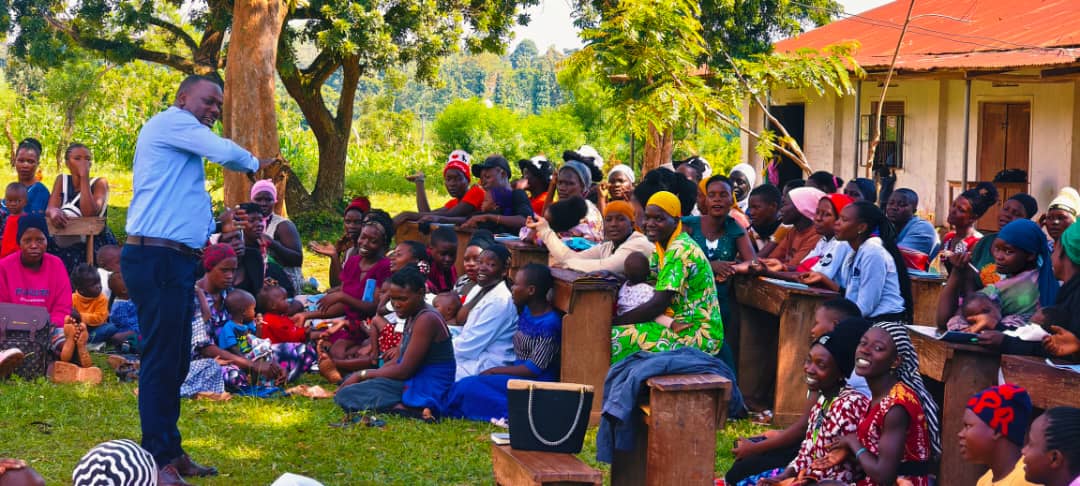
UDHA supports community-based HIV prevention and treatment services targeting key and vulnerable populations, particularly Adolescent Girls and Young Women (AGYW). Interventions include HIV testing services, referrals for treatment, adherence support, community viral load suppression initiatives, stigma reduction, and youth-friendly service delivery through safe spaces and community outreach.
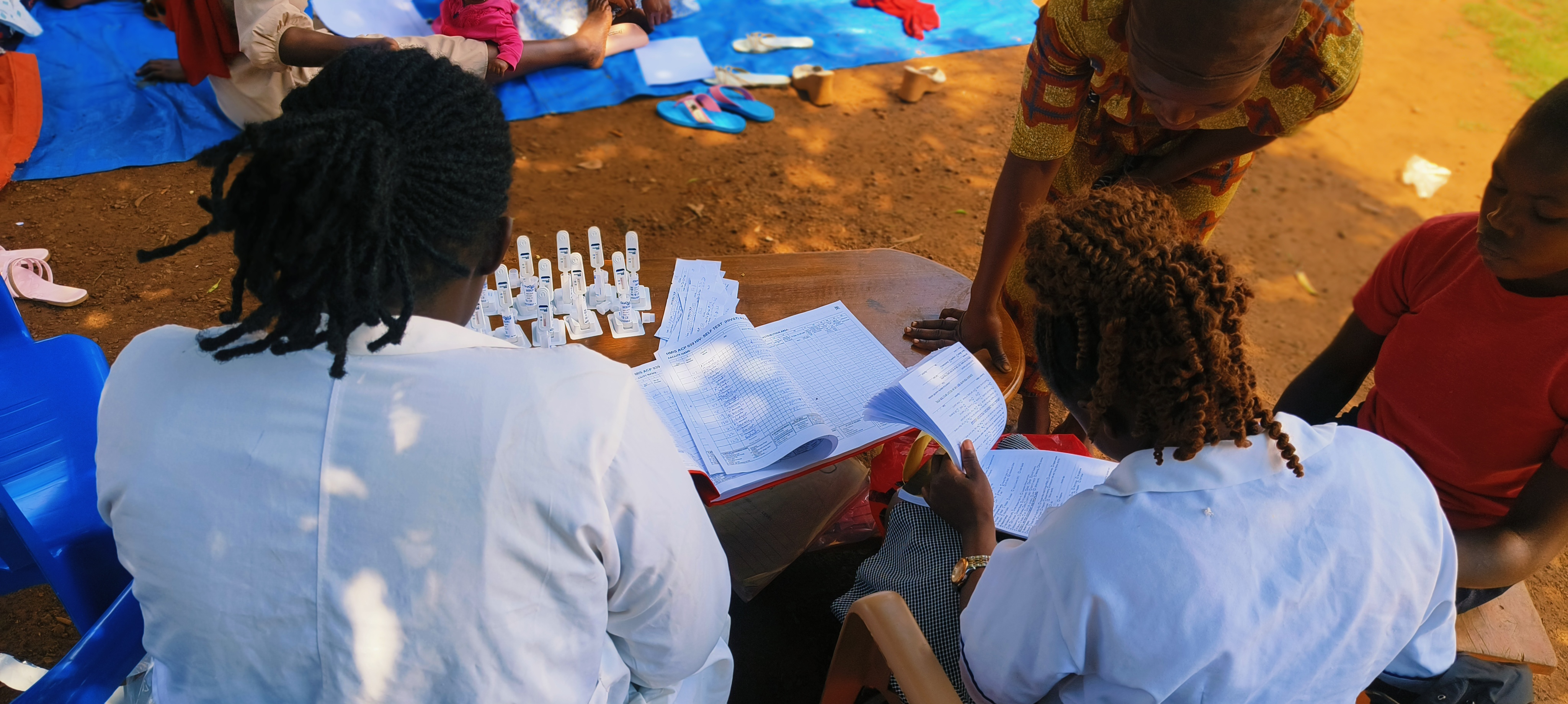
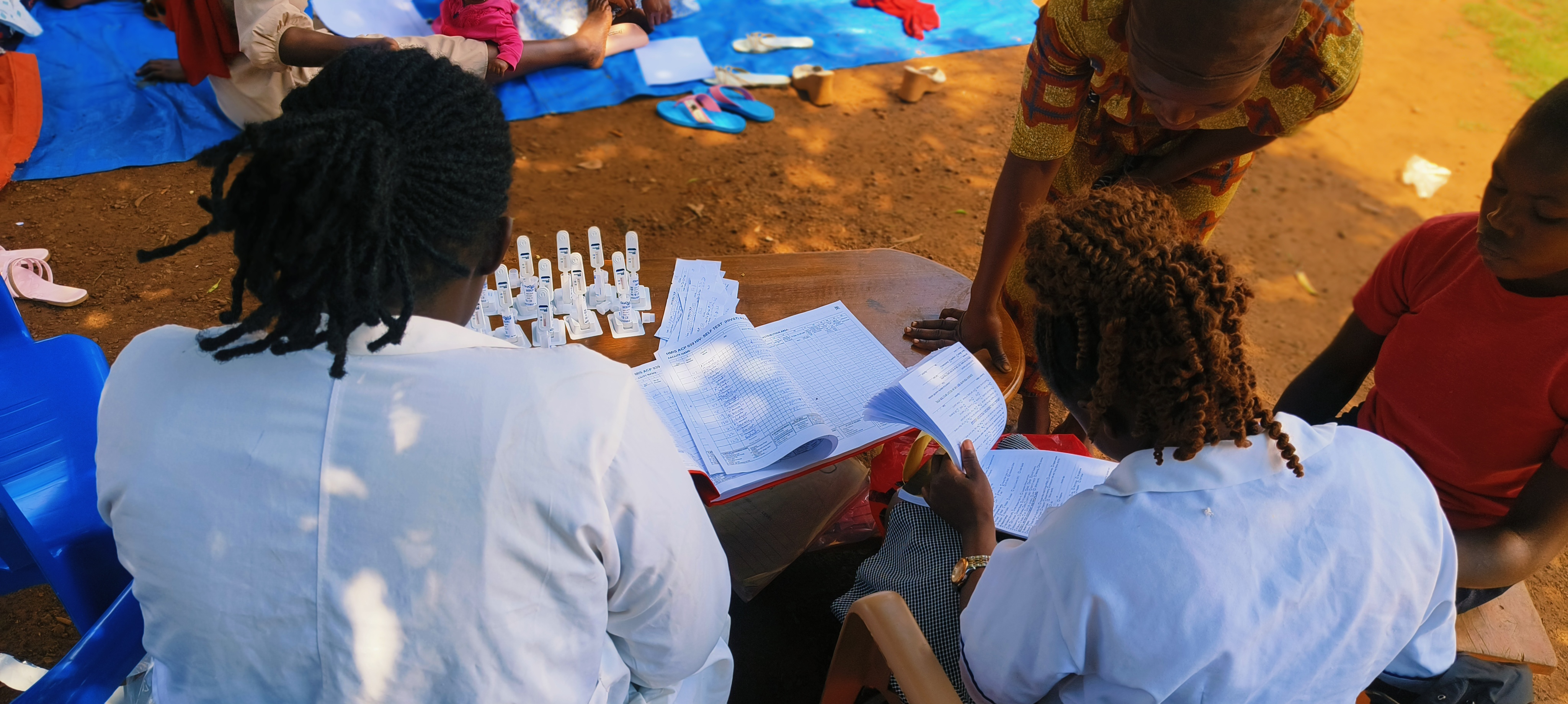
Adolescent Girls and Young Women (AGYW) HIV testing and referral systems within Safe Spaces utilize community based, youth-friendly networks to link high-risk youth to essential care. These programs act as "one-stop shops" providing mentorship, education, and direct access to testing or HIV self-testing (HIVST), accompanied by immediate, confidential referrals for positive cases or PrEP.
Key System Components that this organisation has embarked on in these Community Outreach & Identification include:
Mobilisation using Trained peer-to-peer educators/ mentors to recruit AGYWs in high-incidence locations and invite them to the physical Safe Space.
Integrated Testing Options: Testing is delivered on-site by mobile health teams, through rapid diagnostic testing by counselors, or via guided HIV self-testing (HIVST).
Confidential Linkage & Navigation: Instead of traditional clinic referrals, Safe Spaces often utilize peer navigators. These navigators physically accompany or guide the AGYW to local health facilities, reducing stigma, fear, and transportation barriers.
Layered Support: Safe Space referrals do not stop at HIV treatment. AGYW are also connected to Sexual and Reproductive Health (SRH) services (family planning, STI screening), Pre-Exposure Prophylaxis (PrEP), and economic strengthening/vocational training.
Operational Evidence & Challenges Proven Effectiveness: Multi-component interventions inside Safe Spaces (widely adopted by initiatives like UDHA) have successfully improved health-seeking behaviors, increased HIV testing rates, and lowered high-risk sexual activity among AGYW.
Barriers to Success: Challenges include stock-outs of test kits at associated health facilities, provider-stigma, and limited reach for the most economically disadvantaged girls
Programme Partners